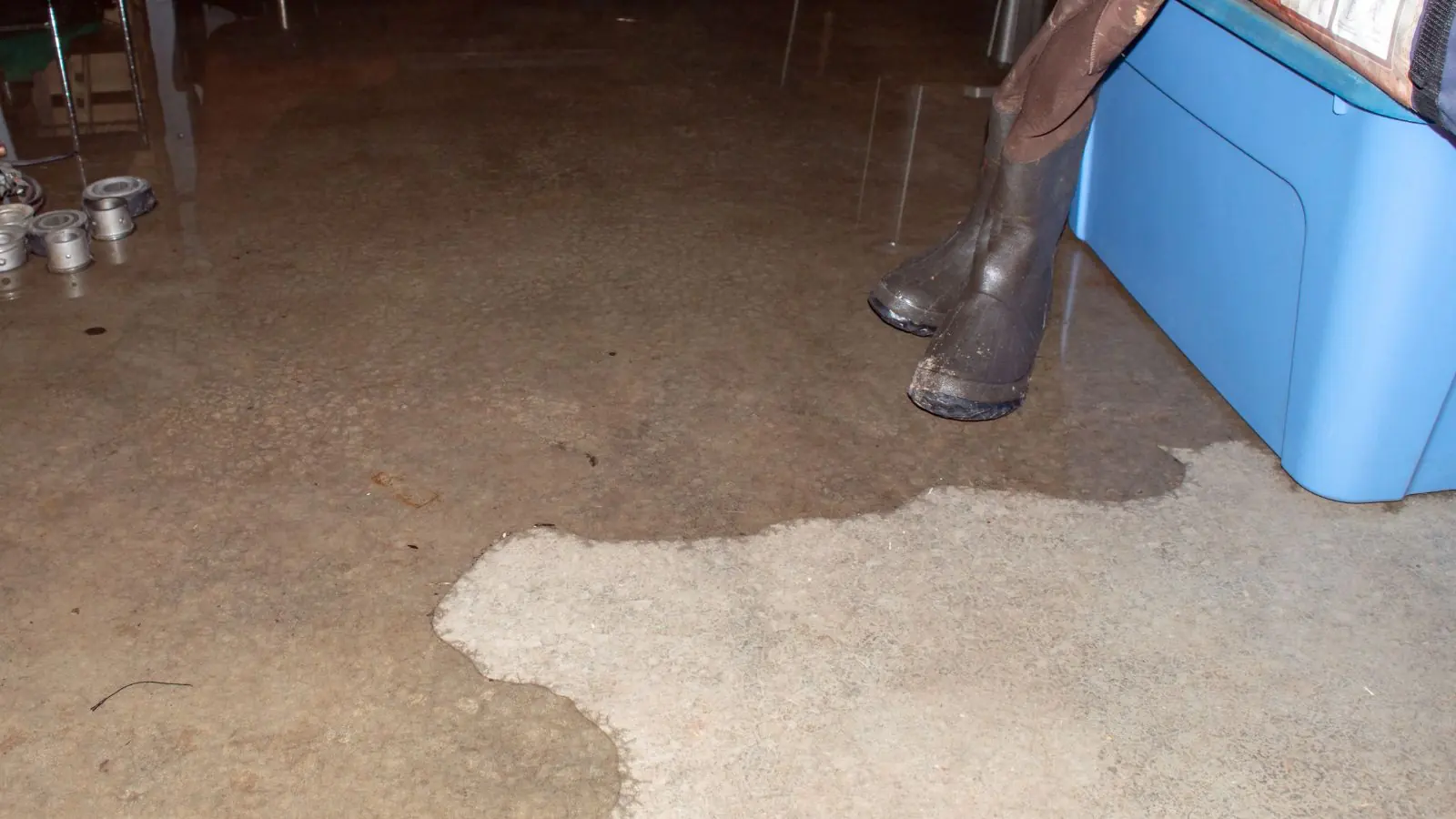
Basement water is not one problem. It may be a plumbing failure upstairs, a sump pump that stopped, rain through a window well or groundwater seeping up through the floor. Each has a different fix, and the cleanup depends on which one it is. If your basement is wet, call (301) 936-0619. The line is answered 24/7.
Where Basement Water Comes From
Plumbing leaks send clean water down from above. Storm runoff pushes in through window wells and door thresholds. Groundwater rises when the soil is saturated, and it can seep through the floor slab or the joint where the wall meets the floor.
Backups from floor drains are different. They carry sewage and need the steps described under sewage backup cleanup. Telling the sources apart early matters because the water category changes what can be dried and what must be removed.
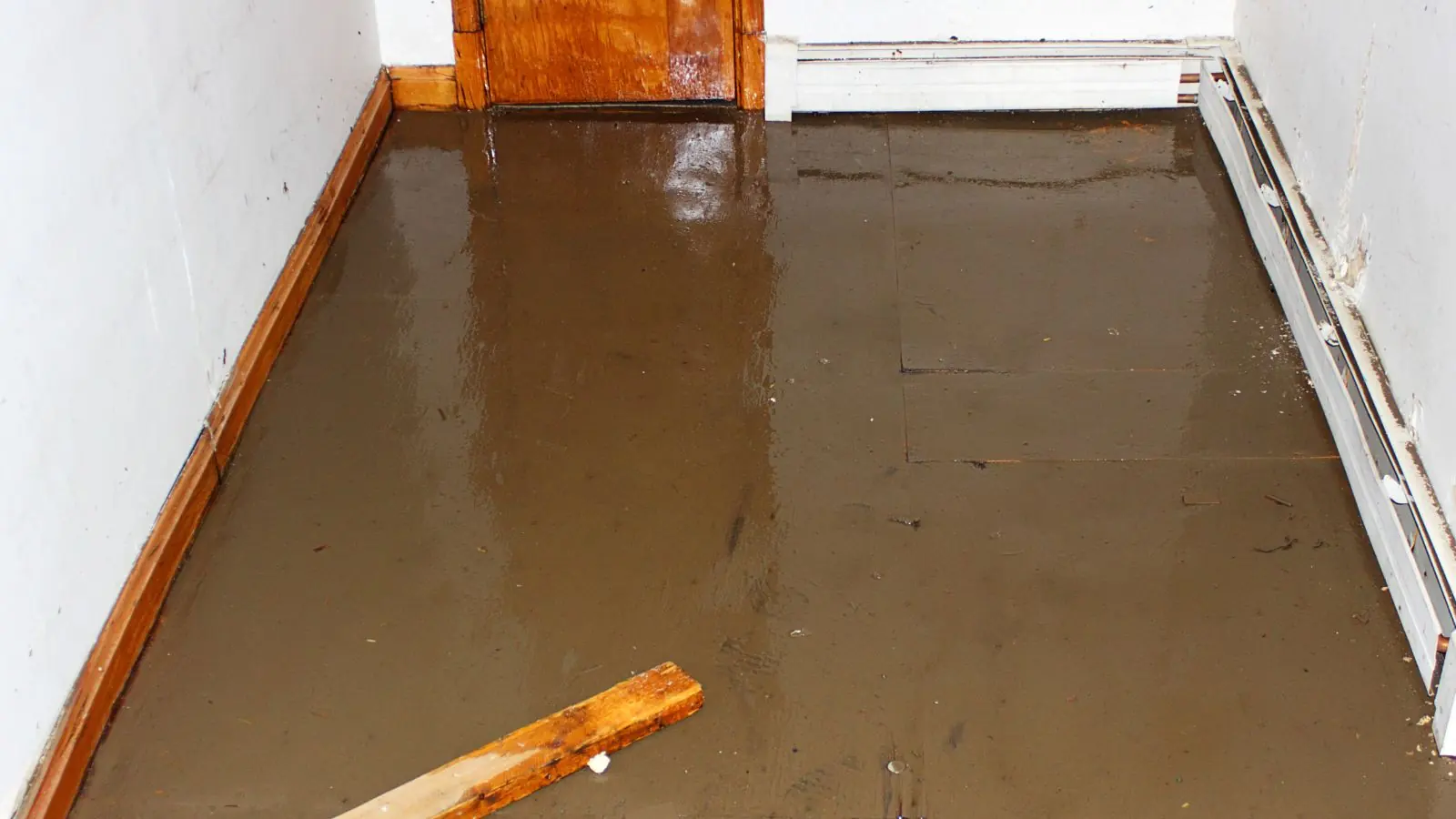
What Prince George's County Says About Local Flooding
The county's flood management page reports that a multi-agency study found about 4,000 structures are flood prone in a 100-year storm, and that most flooding is in older, densely developed inner Beltway communities. It also says the 3,000 residential flooding problems could cost more than $100 million and take decades to correct. That is the county's number for public projects, and it does not set the cost of any one basement.
FEMA says flood insurance can take up to 30 days to become active, so buying after a storm warning is too late. Look up your address on FEMA's Flood Map Service Center and talk with your insurer about what applies.
Water on the basement floor?
Stay off wet stairs and away from outlets, then call (301) 936-0619.
Reading A Wet Basement
| What you see | Likely source | What it changes |
|---|---|---|
| Water at one wall after rain | Runoff through the wall, window well or foundation joint | Cleanup, then a drainage contractor for the cause |
| Water rising through the floor | Groundwater pressure | Pumping and drying, with a waterproofing review |
| Wet near the water heater or washer | Plumbing or appliance leak | Dry from the source outward |
| Drains bubbling or backing up | Sewer or line blockage | Treat as contaminated water |
Safety Steps In A Flooded Basement
Basement flooding safety
Stay out if water is above the floor or near outlets, the panel or the furnace. Electricity and water together can kill, so call the utility to shut off service if the panel is in the water. Gas appliances should be shut off at the valve only if you can reach it from dry ground.
If you smell gas, leave and call 911. Do not use a household vacuum on standing water, and keep children away from stairs leading into wet rooms.
Basement wet and rising?
Call (301) 936-0619. Tell the dispatcher how deep the water is and whether the power is on.
How We Clean Out And Dry A Basement
Water is pumped out in stages so that the walls are not stressed by a sudden change. The crew then removes wet carpet, pad and drywall that cannot be saved and checks the sump pump, its discharge and whether power was out.
Dehumidifiers and air movers run for days because concrete and framing release moisture slowly. We use the ANSI/IICRC S500 water damage restoration standard as a reference for the categories and the drying steps. If the floor is carpeted, see carpet water damage restoration.
Basement smells musty after rain?
Hidden moisture feeds mold. Call (301) 936-0619 to find where the wet material is.
Basement cleanups vary widely. These factors decide the size of the job.
- Water depth and duration. Deep, long-standing water needs more removal.
- Finished or unfinished. Finished space adds drywall, carpet and trim.
- Water category. Groundwater and sewage need more cleaning than a clean supply leak.
- Sump pump condition. A failed pump may need to be dealt with before drying.
- Drying days. Concrete dries slowly.
Basement jobs differ a lot, so call (301) 936-0619 to hear scope and price before pumps go in.
Basement Water And Insurance
Many homeowners policies exclude flood and groundwater seepage, and sewer or sump backup coverage usually needs an endorsement. Sudden plumbing failures are treated differently. We document the loss with photos and moisture readings, and your insurer decides coverage.
Mistakes To Avoid
- Pumping everything out at once while the soil outside is still saturated.
- Putting new carpet over a slab that has not been dried.
- Assuming a dry surface means a dry wall.
- Waiting days to start drying because the water has gone down.
Our crews dry basements in Oxon Hill and Clinton, as well as Temple Hills.
Common Questions
Is emergency basement water damage cleanup available in Temple Hills?
Calls come in during storms too, and the line is answered at all hours with a crew sent the same day when one is open. Keep out of standing water near electricity while you wait.
Is it safe to go downstairs to check?
Not if water is above the floor or near outlets, the panel or the furnace. Wait for guidance from the dispatcher or the utility.
Can you stop the water from coming back?
We clean up and dry. A drainage or waterproofing contractor addresses how water enters, and we will tell you which side of that line your problem sits on.
Does insurance cover a wet basement?
It depends on the cause. Policies often exclude flood and groundwater seepage, and sewer backup needs an endorsement. Ask your insurer before you decide.