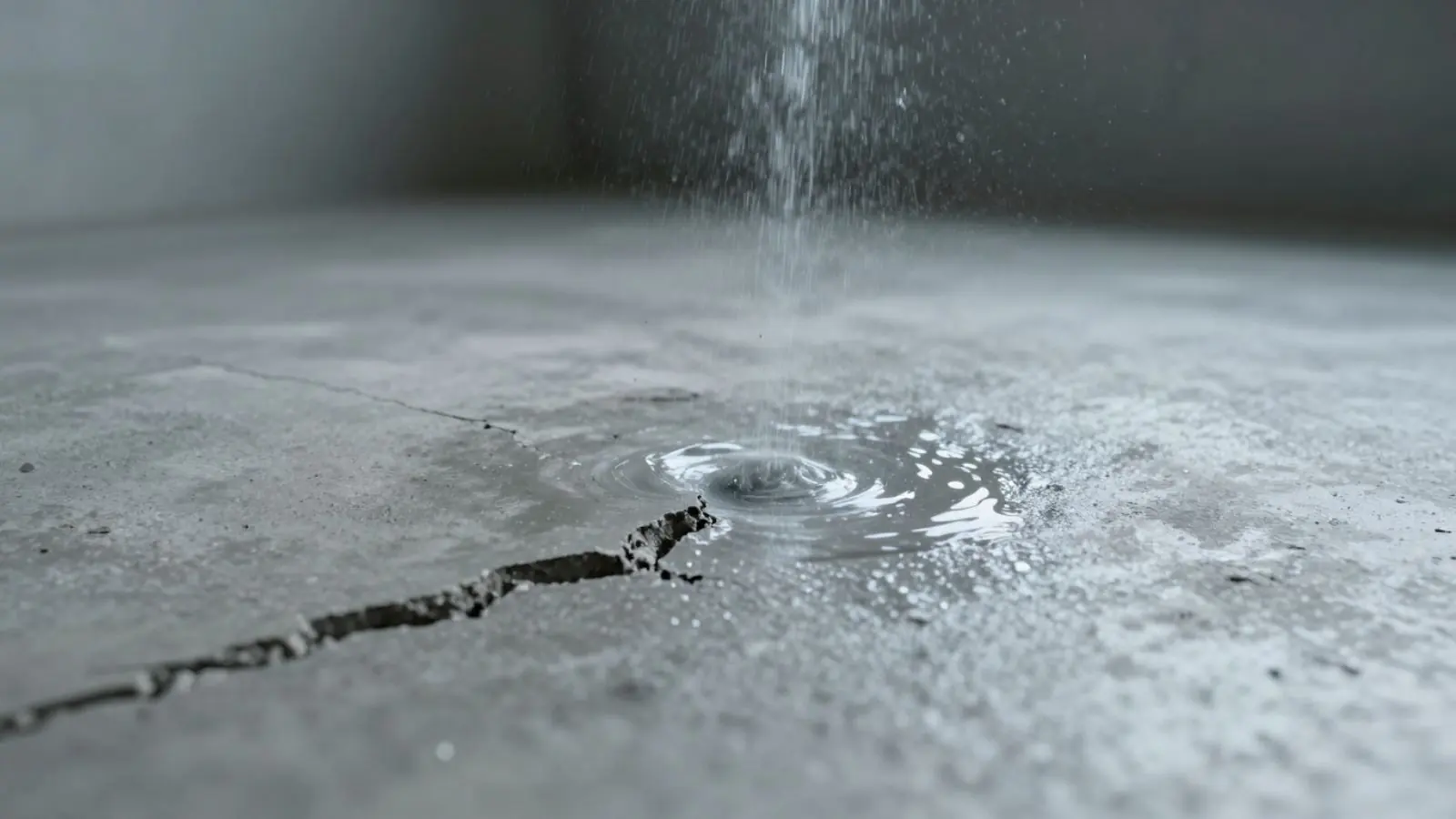
A slab leak is a leak in a water line under or in a concrete floor. How common it is varies by house. Basements and crawl spaces are different foundations, and we say plainly that slab leaks are one of several causes of wet floors here, not the most common one. If you suspect one, call (301) 936-0619. The line is answered 24/7.
What A Slab Leak Is, And Is Not
Many slab-on-grade homes route supply lines through or under the concrete. When a line corrodes or shifts, water escapes into the gravel and soil under the floor, and it may rise through cracks or at the edges. It is not a sewer problem, and it is not the same as water seeping through a basement wall.
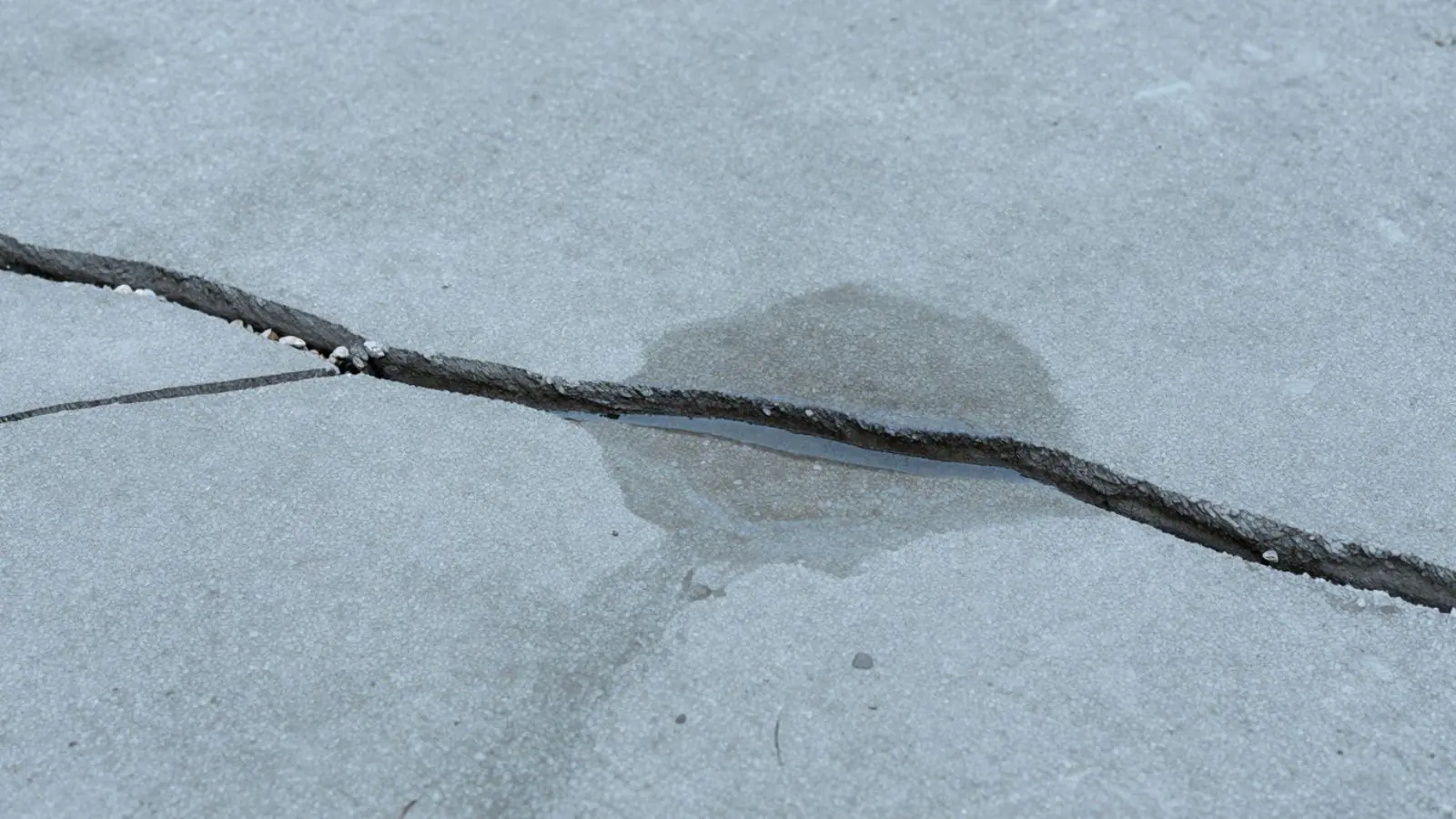
Because the pipe is hidden, you rarely see the break. You see its effects: a floor that feels warm, a water bill that jumps, the sound of running water when everything is off, or damp flooring along a wall.
Why It Can Happen In Older Temple Hills Housing
Census Bureau history describes housing in the nearby Oxon Hill and Suitland areas built from the 1940s through the early 1990s. That tells us the age of the neighborhood, not the foundation type of any one house. If your home sits on a slab, its supply lines may be decades old, so check the pipe material with a plumber.
WSSC Water has posted emergency main repair notices for Temple Hills, including an 8-inch main at 2300 Kirby Drive. A main break in the street is the utility's problem, and a leak inside your slab is yours. If you are unsure, WSSC Water's emergency line is 301-206-4002.
Warm floor or hissing sound?
Shut off the main water valve, then call (301) 936-0619 about the flooring and slab moisture.
Clues That Point Below The Floor
Meter keeps moving
Shut off every fixture and watch the meter. If it still turns, water is escaping somewhere.
Warm patch on the floor
A hot-water line leaking under a slab can warm the concrete above it.
Damp carpet at one spot
Moisture rising from below shows up first where the break is nearest.
Sound without a source
A hiss or trickle under the floor with all taps off.
Safety First When Water Rises Through Floors
Slab leak safety
Shut off the main water valve and keep water-using appliances off. Stay off wet floors near outlets and panels, and turn off power to a wet area if you can do so from a dry spot. Do not break the slab yourself.
Call a plumber with leak-detection equipment. We do not locate or repair the buried line, and we will not guess where it is. Our part is drying what the water reached.
Floor wet and the source unknown?
Call (301) 936-0619. We will tell you what to check and send a crew to dry affected rooms.
How We Dry A Slab Leak Loss
The crew uses moisture meters and a thermal camera to map the wet area, then extracts surface water. Carpet and pad are lifted if saturated, and baseboard comes off so walls can be checked.
Concrete holds moisture, so drying can take longer than on a wood floor. Dehumidifiers and air movers run until concrete and framing readings are back to normal, using the ANSI/IICRC S500 standard as a reference. Flooring that was glued to the slab may need to be removed.
Wider drying is described under structural drying and dehumidification, and floor-level pooling is covered by emergency water removal.
Water bill climbing for no reason?
A hidden leak may be soaking the slab. Call (301) 936-0619 to scope the drying.
Slab leak cleanup varies mostly with how far the water spread and how long it ran.
- Duration. Weeks of leaking soak more than a quick discovery.
- Flooring. Glued flooring and tile are harder to dry than carpet.
- Concrete drying. Slab moisture takes more days to read normal.
- Rooms involved. More rooms mean more equipment.
- Plumber timing. Drying is delayed if the leak is still active.
Slab jobs vary widely, so call (301) 936-0619 to hear scope and price before drying equipment is set.
Insurance And Slab Leaks
Many policies treat sudden discharge differently from gradual leakage, and a slab leak can fall on either side depending on how long it went on. Some policies also treat the cost of reaching a buried pipe separately. Keep the plumber's report, and we will give you photos, readings and a removal list. Your insurer decides coverage.
Common Mistakes
- Covering a warm spot with a rug and hoping it clears.
- Ignoring a rising water bill because the house looks dry.
- Replacing flooring before the cause is repaired.
- Calling for drying before the leak is stopped, which wastes the work.
We cover slab leak damage in Clinton and Suitland as well.
Common Questions
Is emergency slab leak water damage service available in Temple Hills?
Yes. Someone is on the line at all hours, and a drying crew can come the same day when one is free. Shut off the main valve first and call a plumber for leak detection.
How common are slab leaks in Temple Hills?
They are real but less common than basement water or appliance leaks. They matter most in slab-on-grade homes with older supply lines.
Do you fix the buried pipe?
No. A plumber locates and repairs the line. We dry the floors and walls the water reached.
How do I tell a slab leak from a street main break?
A main break in the street is WSSC's responsibility, and WSSC Water's emergency line is 301-206-4002. A leak inside your slab shows up inside the house on your side of the meter.