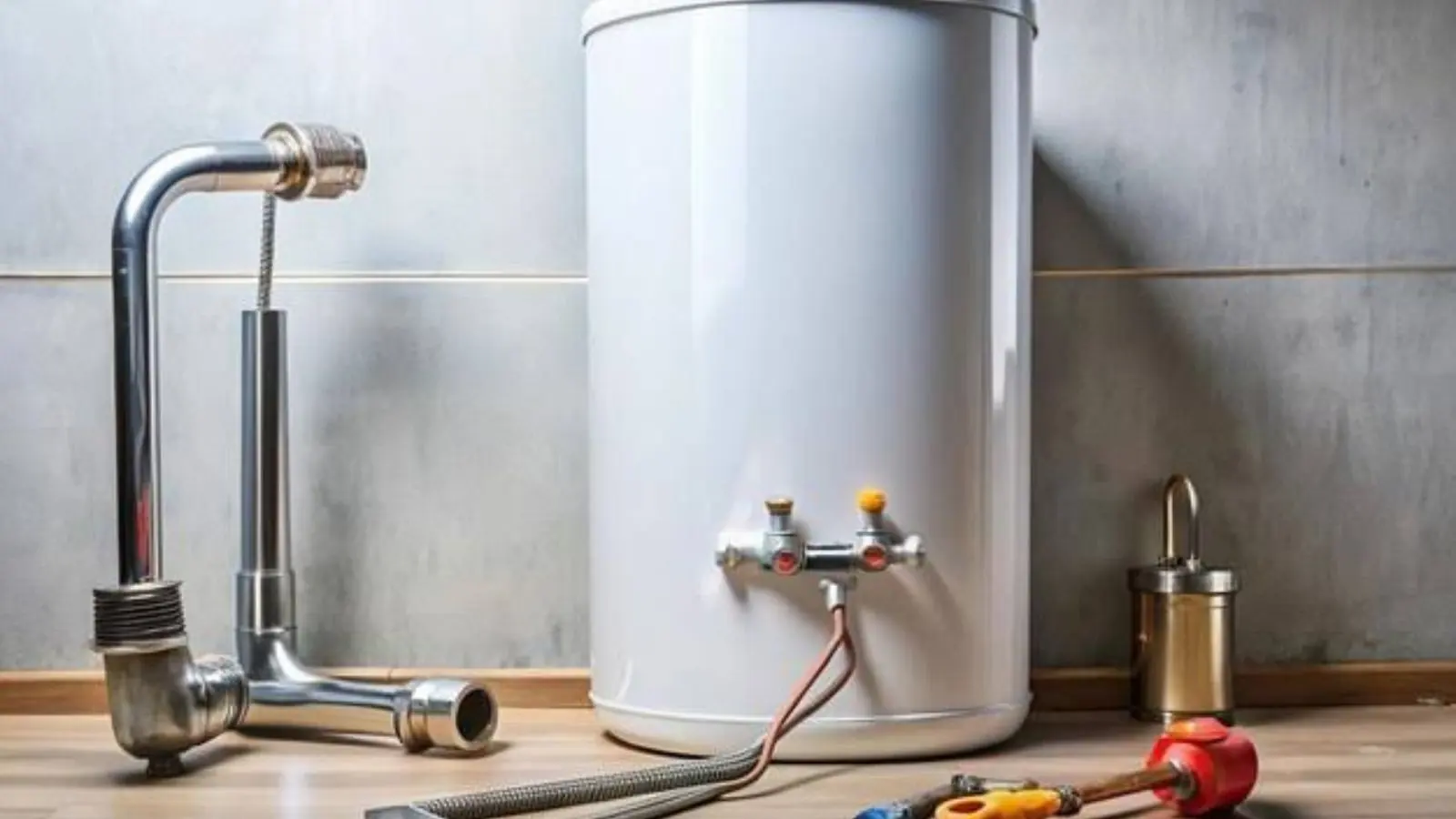
A water heater leak is one of the most common indoor water losses, and it often goes unseen. The tank sits in a closet, a utility room or a corner of a basement, and a slow drip can run for days. If water is pooling around yours, call (301) 936-0619. The line is answered 24/7.
Where A Water Heater Leak Starts
Not every wet floor around a heater means the tank has failed. Leaks come from the drain valve, the temperature and pressure relief valve, the supply and outlet connections, the drain pan line or the tank itself. A fitting leak can be tightened or replaced, while a leaking tank body means the heater is at the end of its life.
The difference matters for cleanup because a fitting drip is usually small, while a failing tank can release everything in it. A typical residential tank holds many gallons, and that water goes toward the lowest drain, which may be behind a wall or under flooring.
Water Heaters, Permits And Plumbers In Prince George's County
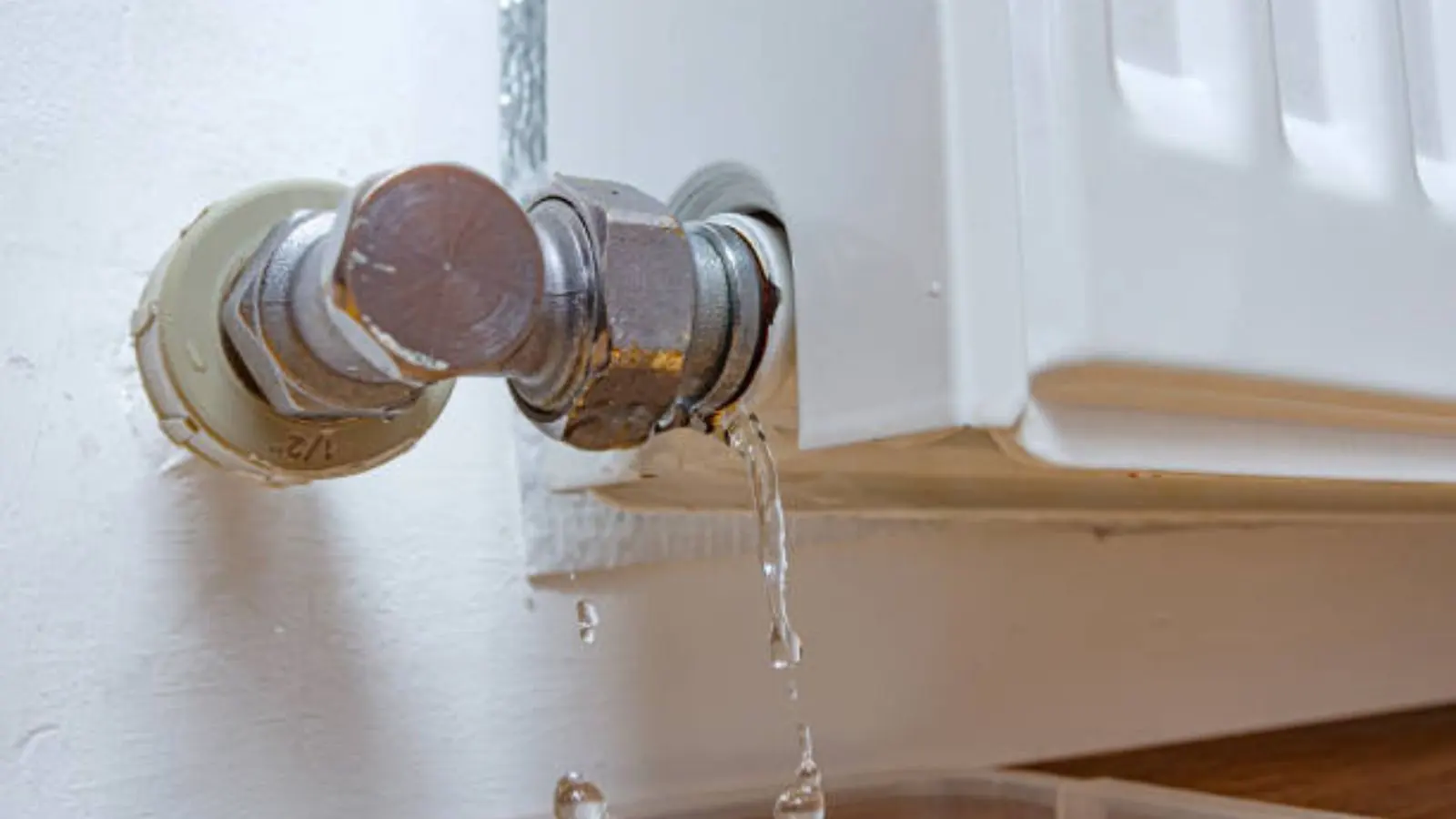
Prince George's County's plumbing permit page says permits are generally not required for replacing existing plumbing fixtures, with the exception of water heaters and testable backflow devices. It also notes that WSSC issues plumbing permits. A replacement heater is therefore not a casual swap.
We handle the water, drying and cleanup. A plumber replaces or repairs the unit, and your plumber can tell you what the permit step looks like for your address.
Tank leaking onto the floor?
Cut power or gas to the heater, then call (301) 936-0619 so a crew can start extraction.
What Wet Surroundings Tell You
| What you see | What it may mean | First move |
|---|---|---|
| Puddle at the base, tank dry on top | Drain valve or connection leak, or a failing tank | Shut off the cold supply to the heater |
| Water running from the relief valve pipe | High pressure or temperature, or a worn valve | Call a plumber, and do not cap the pipe |
| Rust streaks or a wet drain pan | Slow tank seepage | Plan on replacement and check what the floor absorbed |
| Soft drywall or lifting flooring near the heater | The leak has run for a while | Moisture mapping before any rebuild |
Safety Before You Touch Anything
Water heater safety
WSSC's winter brochure says electricity must be turned off before draining or refilling an electric tank, and that gas heaters should have the gas valve closed. Do the same before reaching toward a leaking unit. Close the cold water supply valve on top of the tank to stop new water from entering.
Do not stand in water near an electric heater or panel. If you smell gas, leave and call 911 and the gas utility. Hot water from a leaking tank can scald, so keep children and pets out of the room.
Tank leaking now?
Call (301) 936-0619. Tell the dispatcher whether the heater is gas or electric and where the water is going.
How The Cleanup Works
Extraction comes first, using wet vacuums and a portable extractor on flooring. Because heaters often sit on concrete beside finished rooms, the crew checks the wall bottoms and subfloor edges with moisture meters, and pulls baseboard where water has crept behind it.
Air movers and dehumidifiers then dry the closet or utility space, and carpet or pad is lifted when it cannot be saved. Drying is planned with the ANSI/IICRC S500 water damage restoration standard as a reference. Water from a supply-side leak is typically clean at first, but standing water that sits becomes a concern.
If the water spread into the area around a drain or washer, see appliance leak water damage for the way we handle leaks that start at a machine rather than a tank.
Closet or utility room soaked?
Water spreads under walls from a heater closet. Call (301) 936-0619 to check what is wet.
Heater leaks range from a damp pad to a soaked room. These factors decide where yours falls.
- How long it leaked. Days of seepage reach farther than a single burst.
- Location. A basement slab dries differently from a second-floor closet.
- Flooring. Carpet, laminate and tile each respond differently to water.
- Wall damage. Wet drywall behind the heater adds removal and rebuild work.
- Drying days. Closed utility rooms need airflow and dehumidification.
Ask the dispatcher at (301) 936-0619 for scope and price on a tank replacement cleanup before anything begins.
Insurance And A Failed Tank
A sudden tank failure is usually treated differently from slow seepage that went unnoticed. Many policies cover the resulting water damage but not the heater itself, and the details vary. We document the affected area with photos and readings, keep a record of removed material and leave the coverage decision to your insurer. Renters should send a written notice to the landlord the same day.
Mistakes To Avoid
- Leaving the heater powered or the gas on while water pools near it.
- Capping the relief valve pipe to stop a drip.
- Mopping the floor but leaving carpet pad and baseboard wet.
- Waiting to find out whether the heater is repairable before drying the room.
We cover heater leaks across the same area as our other work, including Oxon Hill and Suitland.
Common Questions
Is emergency water heater leak cleanup available in Temple Hills?
Yes. Someone answers at any hour, and a crew is sent for a leaking tank the same day when one can be spared. Close the cold supply valve and switch off power or gas to the heater while you wait.
Do I need a permit to replace a water heater in Prince George's County?
The county's plumbing page says permits are generally not required to replace existing fixtures, but water heaters are an exception, and WSSC issues plumbing permits. Ask your plumber to confirm the steps for your address.
Is water from a leaking heater safe to touch?
The water may be hot, and it may be near electrical connections. Shut off power first, wear boots if you must enter and keep children and pets out until the room is dry.
Does cleanup include replacing the water heater?
No. A plumber replaces or repairs the heater. We extract water, dry the structure and document what was affected.