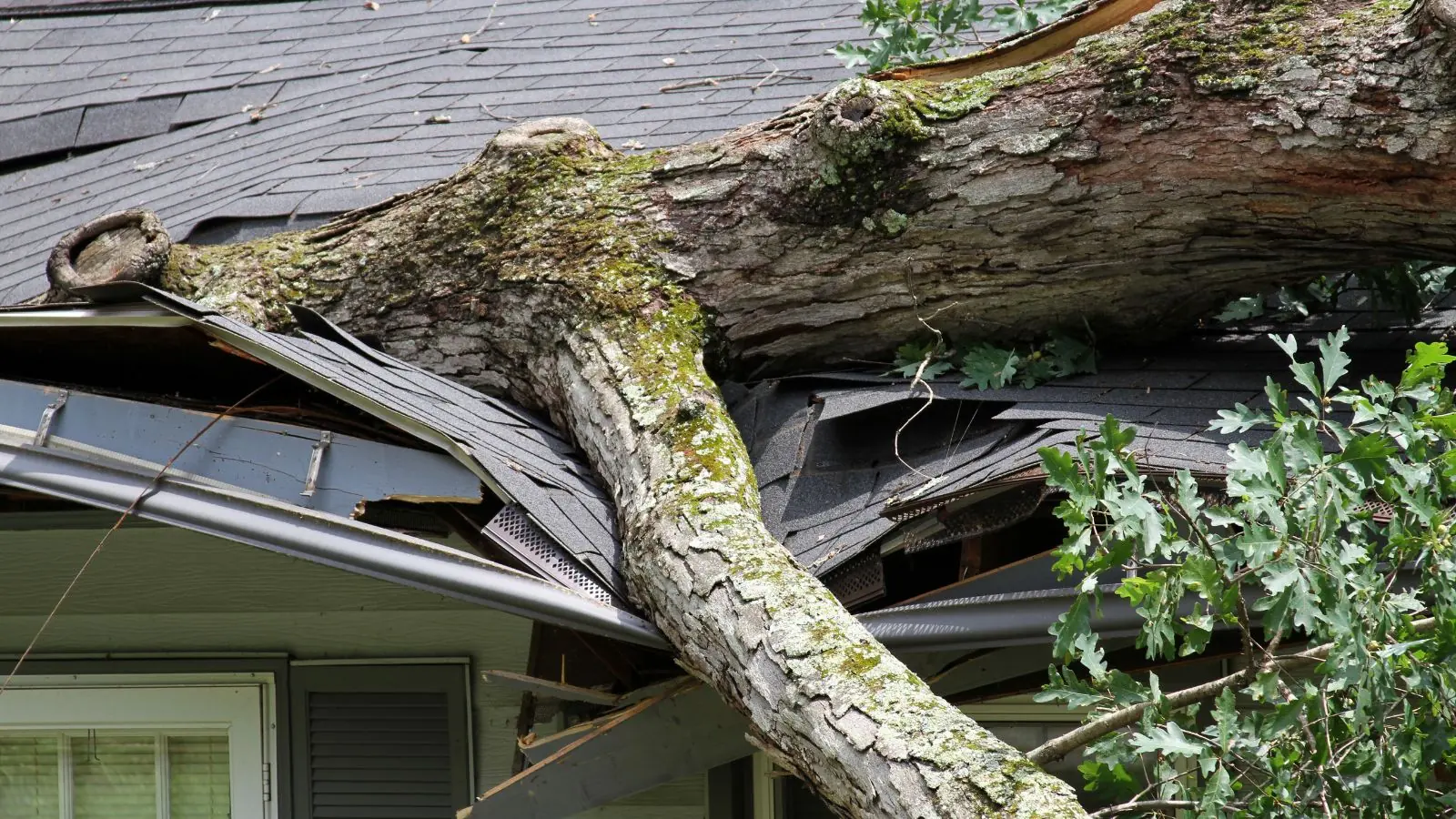
Storm water damage starts outside the plumbing system. Wind-driven rain gets past siding and windows, a tree limb opens a roof, runoff pushes through a basement door and an overwhelmed sump pump quits. If water is coming in now, call (301) 936-0619. The line is answered 24/7, including during storms.
Ways Storms Get Water Inside
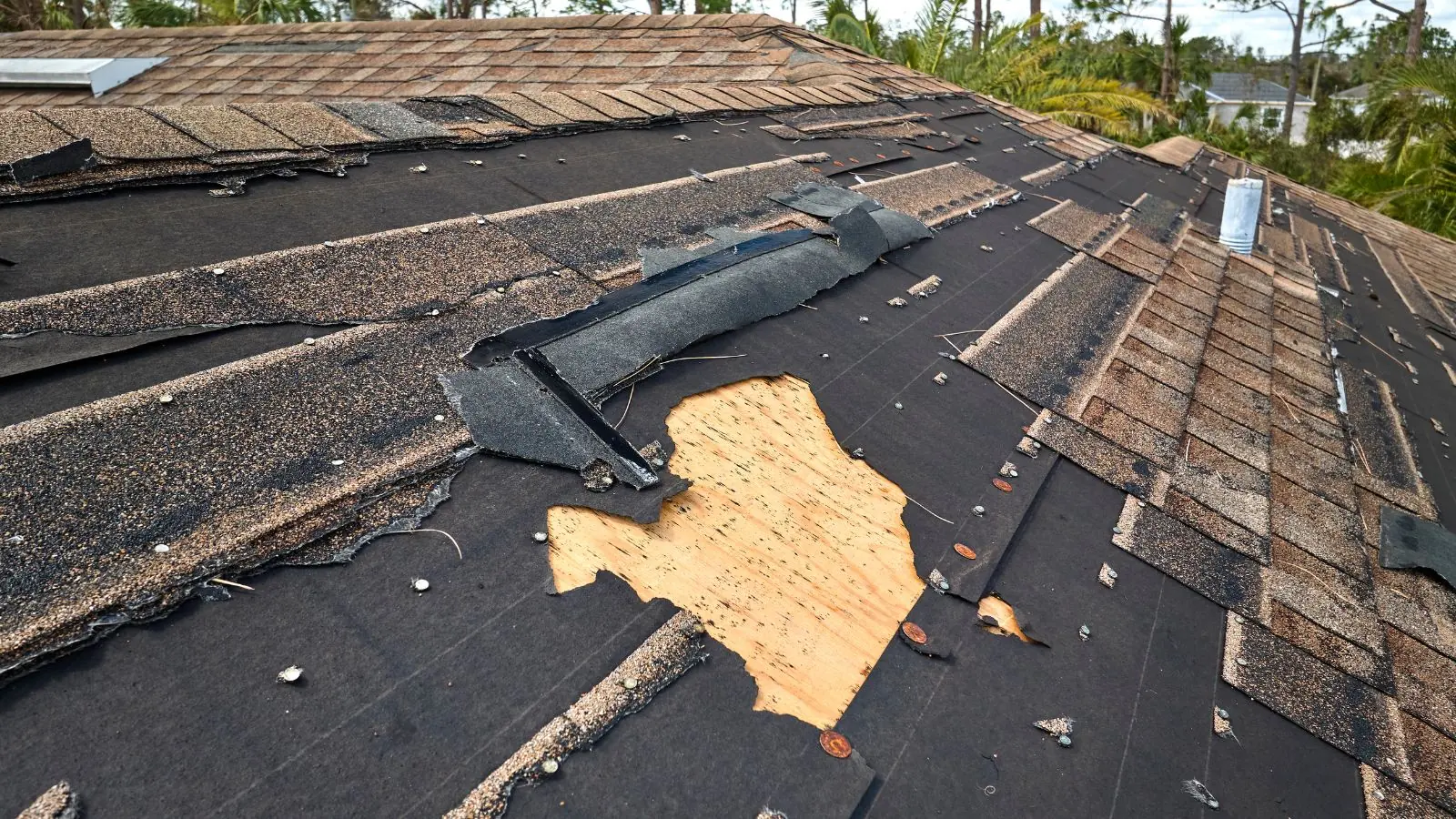
Storm damage usually comes from one of four paths. Roof or siding openings let rain into attics and walls. Windows and doors leak when wind drives water sideways. Surface runoff collects at the low side of a house and enters through basement walls, window wells or thresholds. A failed sump pump or a power outage then removes the last defense.
Which path it was changes the cleanup. Rain through a roof is usually clean water at first, and runoff or flood water is not. For leaks that begin at the roof, see roof leak water damage cleanup.
What The County Says About Flooding Here
Prince George's County's flood management page reports that a multi-agency study found about 4,000 structures are flood prone in a 100-year storm, and that most flooding is in older, densely developed inner Beltway communities. The county also says low spots can flood even away from a stream, and it keeps a Henson Creek watershed flood study dated April 1986.
FEMA says flood insurance can take up to 30 days to become active. Buying after a warning is too late, so check FEMA's Flood Map Service Center for your address and talk with your insurer before storm season.
Basement taking on runoff?
Stay clear of standing water near electricity and call (301) 936-0619.
Storm Damage Signs Inside The House
Ceiling stains after rain
Water is passing through the roof or an attic opening.
Wet window and door trim
Wind-driven rain is getting past seals.
Water at the basement walls
Runoff or groundwater is entering at the foundation.
Standing water that smells
The source may be a backup or contaminated flood water.
Safety First During And After A Storm
Storm water safety
Do not enter a basement with standing water if power is on, and stay away from downed lines or fallen trees touching a house. If ceiling drywall is bulging with water, keep clear of it. Never run a generator indoors or in a garage.
Treat storm and flood water as contaminated. Wear boots and gloves if you must enter, and keep children and pets out until it is cleaned.
Storm water inside?
Call (301) 936-0619 and tell the dispatcher where it is entering and whether the power is on.
How We Clean Up After A Storm
The crew stops the spread first by pumping out water and removing saturated materials. Moisture meters and a thermal camera show how far water traveled in walls and ceilings, which can be well past the visible stain.
Flood water is treated as contaminated, so porous materials are removed and surfaces are cleaned before drying. Air movers and dehumidifiers dry the structure, using the ANSI/IICRC S500 standard as a reference. For deeper flooding, see flood damage restoration.
We can document the damage for your insurer, and a roofer or contractor does permanent repairs to the roof, siding or drainage.
Window or door leaking in the wind?
Call (301) 936-0619 to dry trim, walls and flooring before mold starts.
Storm cleanups can range from one wet ceiling to a full flooded floor. The cost follows these factors.
- Entry point. Roof, foundation and window leaks need different work.
- Water category. Rain through a roof differs from flood water.
- Rooms affected. Multiple floors multiply work.
- Contents. Wet furniture and belongings add handling.
- Drying time. Humid weather slows drying.
Storm cleanups vary from one ceiling to a floor, so call (301) 936-0619 to hear scope and price first.
Storm Damage And Insurance
Wind-driven rain and roof damage are often handled under a homeowners policy, while rising flood water typically needs a separate flood policy. The line between the two matters, so photograph the entry point and the damage as soon as it is safe. We document the loss, and your insurer decides coverage.
Mistakes To Avoid
- Walking through standing water near outlets.
- Covering a roof opening only after interior drywall has soaked.
- Waiting for power to return before starting to dry.
- Assuming rain water through a roof is safe to leave in carpet.
We respond to storm damage in Clinton and Oxon Hill and everywhere our crews work.
Common Questions
Is emergency storm water damage cleanup available in Temple Hills?
Yes. Calls are taken in the middle of a storm, and a crew goes out as soon as one is free that day. Stay out of water near electricity.
Is storm water the same as flood water?
Rain through a roof is usually clean at first. Runoff and rising water carry soil and contamination and are handled as flood water.
Do you repair roofs?
No. A roofer handles permanent roof work. We pump, remove wet materials and dry the inside.
Does homeowners insurance cover storm water?
Often wind-driven rain and roof damage are, while rising flood water is not. Check your policy.